Careers at TKDA

Navigating Today's Education Priorities

Across Wisconsin, K-12 districts, colleges, and universities are making increasingly complex decisions about their facilities. Aging infrastructure needs attention. Deferred maintenance competes with other priorities. Budgets are under constant pressure. At the same time, enrollment shifts are changing how schools and campuses use their space.

For education decision makers, the challenge is not simply determining what needs to be repaired or replaced. It is deciding where limited resources can have the greatest impact while preparing facilities for what comes next. This requires looking beyond individual projects to understand how buildings, infrastructure, programs, and long-term goals work together.

Balancing Current Needs and Future Priorities

Many educational institutions were designed around needs that have since evolved. Aging mechanical and electrical systems may need replacement, while classrooms, student spaces, and other facilities may no longer align with how they are used today.

In some cases, enrollment and program shifts may mean an institution has more space than it needs in one area and not enough in another. Rather than simply adding space, the better solution may be renovating, repurposing, or improving existing facilities. The goal is to make informed investments based on what will provide the greatest value to the institution and the people it serves.

Facility assessments and long-range planning help establish that bigger picture. By evaluating existing conditions alongside space utilization, program needs, and future priorities, education leaders can build a shared understanding of what needs attention and why.

The next step is weighing the tradeoffs. A consistent decision-making framework can help leaders compare urgency, risk, cost, operational impact, and long-term value while recognizing how one investment may affect another. From there, institutions can determine what should happen first and what can wait. The result may be a phased implementation strategy, a long-term master plan, or a capital roadmap that aligns near-term investments with broader institutional goals.

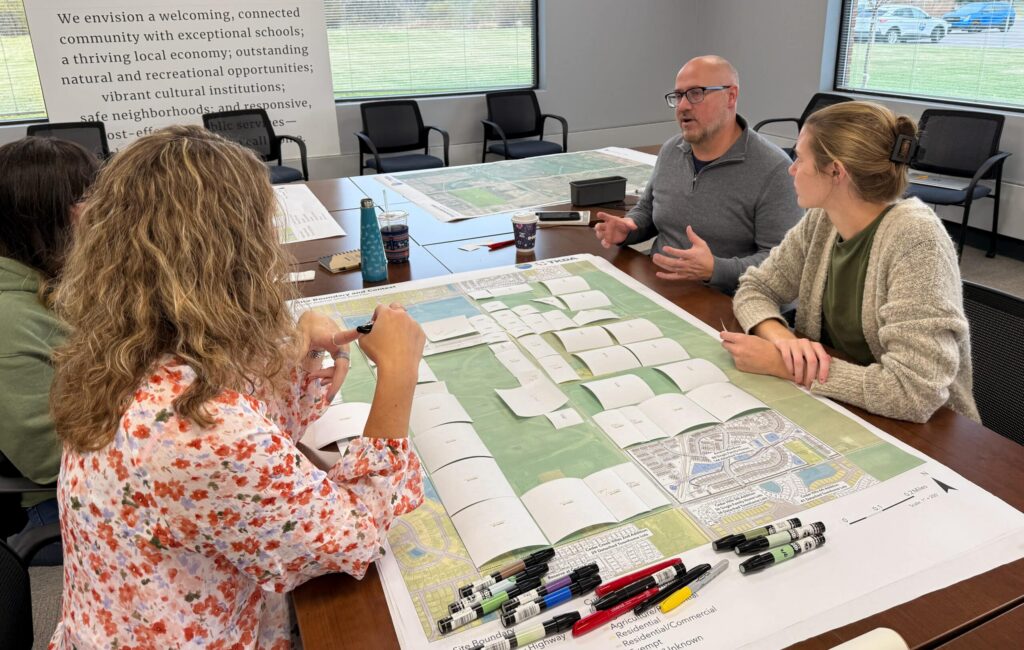
Planning Meeting
Turning Priorities into Action

A plan is only valuable if it can be put into action. Once priorities are established, projects still need to balance available funding, project phasing, ongoing operations, and long-term performance. Improvements may range from targeted maintenance and infrastructure upgrades to renovations, additions, improvements, or modernization. Phasing the work allows leaders to address immediate risks while maintaining flexibility as funding, enrollment, and program needs evolve.

Not every challenge requires a new building. Strategic investments in existing facilities can extend their useful life, improve reliability, reduce maintenance concerns, and create spaces that better support students, faculty, and staff.

Navigating those decisions often requires expertise across multiple disciplines. TKDA brings engineering, architecture, planning, and specialized services together to help education clients move from long-range planning through design, construction, and asset management. This integrated approach is especially valuable when a project touches multiple building systems or priorities. Instead of considering infrastructure, utilities, and building systems separately, we evaluate each decision’s impact holistically.

The specific solution will look different for every institution. What matters is understanding the need first, evaluating the options, and investing in improvements that support both immediate priorities and long-term goals.

Building a Path Forward

Education institutions do not have to solve these challenges one project at a time. TKDA works with K-12 districts, colleges, and universities to develop practical, cost-effective facility solutions that support each institution’s unique programs, culture, and priorities.

Whether the next step is assessing aging infrastructure, addressing deferred maintenance, adapting space to enrollment changes, or developing a long-term capital plan, our team can help evaluate tradeoffs, manage risk, and turn complex facility needs into a clear path forward.

Amanda Kieffer

Education Market Manager

News Articles

Explore Our Projects

Explore how we help educational institutions create safe, adaptable, and inspiring spaces that support learning and long-term growth.

Let’s Build What’s Next Together

Every successful project starts with a conversation. Tell us about your goals, challenges, and priorities, and we’ll help identify the best path forward.