Building codes exist to protect the health, safety, and welfare of the people in and around buildings. Meeting building codes is essential and a non-negotiable in the architecture, engineering, and planning industry. In my 25 years of providing architectural design and project management services, I’ve learned that our commitment to safety should not and cannot stop at compliance.
Codes help ensure buildings are safe for their intended use but cannot account for how a space will be used five, ten, or twenty years down the line. An office building might later become a manufacturing facility, or a small space that meets minimum egress standards today may struggle to safely support larger equipment or higher occupancy in the future. We need to be intentional about designing spaces with flexibility and adaptability in mind so we can reduce risk over the full life of a building and support safer outcomes.
Early Investments Often Cost Less Than Corrective Measures Taken Later
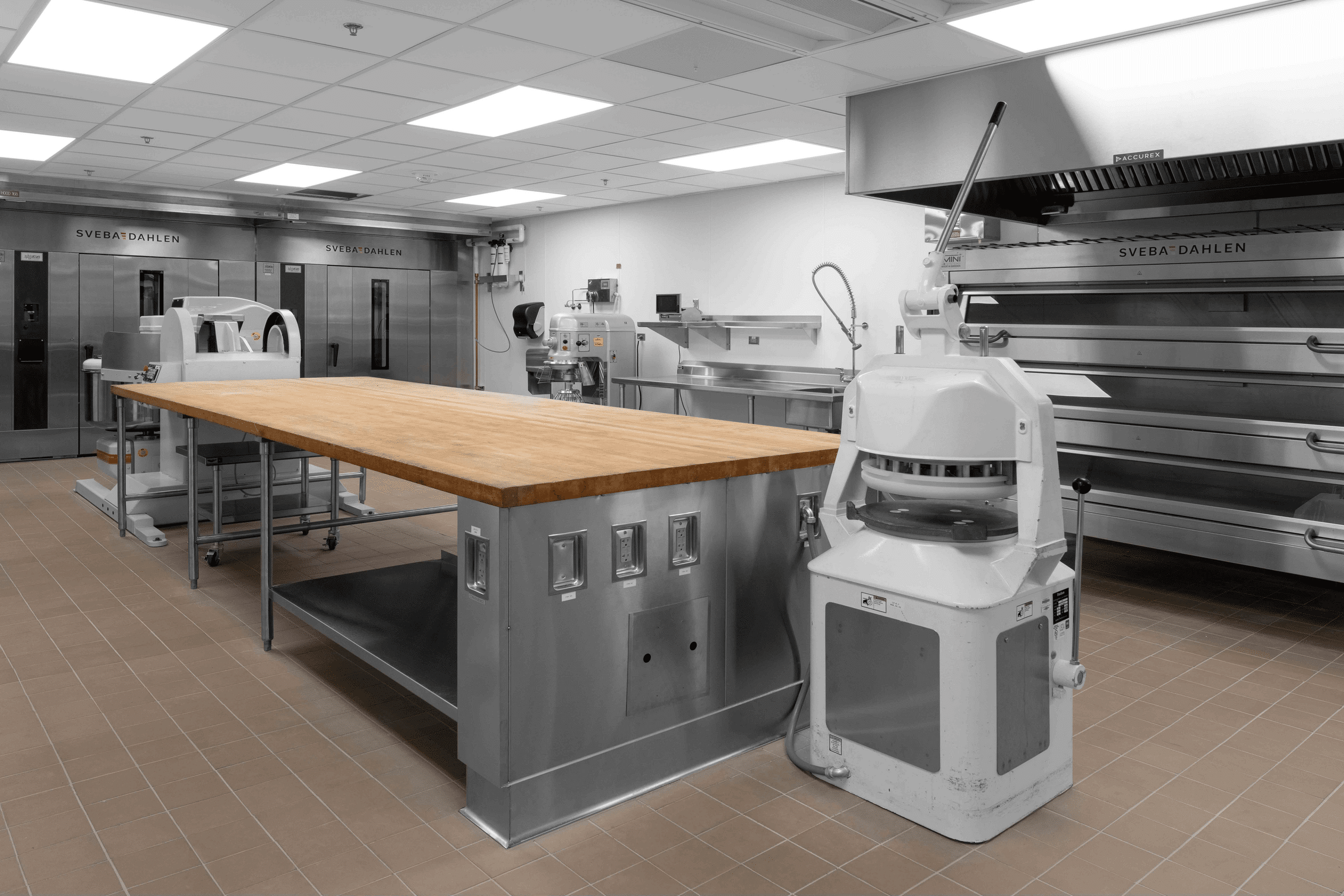
When we design buildings, we meet code requirements while applying professional judgment and best practices that anticipate future needs. Design decisions that exceed minimum code requirements are often more adaptable and resilient in the long-term. For example, a space may technically meet code with a single three-foot-wide door. This code-compliant, narrow door might create challenges later if our clients have equipment that must be disassembled to fit it through the doorway, or if they have to create a hole in a wall or roof to be able to fit it inside. A situation like this meets code and is not inherently unsafe but will cost more in the long run and add layers of complication and exposure to risk. By designing with future uses in mind from the start, we can help reduce these scenarios.
Designing for Human Behavior During Emergencies
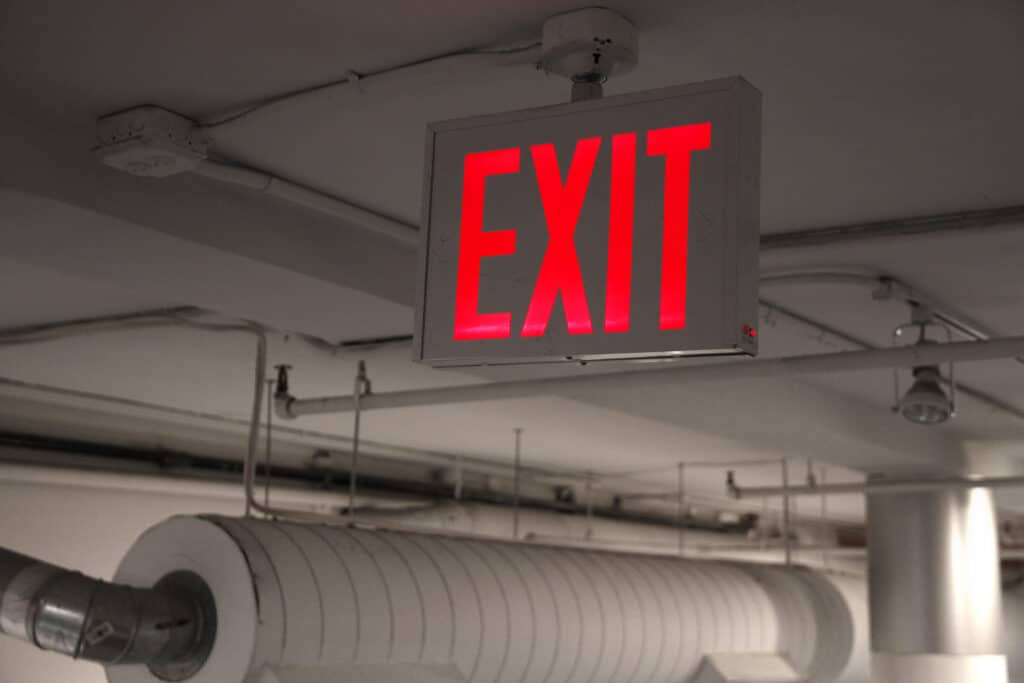
Understanding human behavior plays a critical role in how we design safe outcomes, especially during emergencies. During emergencies, people typically instinctively try to exit a building the same way they entered. Even if you put up all sorts of wayfinding signage pointing to an emergency exit, people’s natural response will be to try to move back towards an area they had previously safely moved through. With this in mind, we make sure that common paths of travel are intuitive, well lit, and appropriate for safe egress. When owners, design teams, and officials align early, designing beyond minimum code requirements can help anticipate and design for how people actually behave in high stress situations, not just how regulations assume they will behave.
Inclusive Design Strengthens Safety for Everyone
In many older buildings, these features were not required when the structures were first built, yet upgrades can significantly improve safety and usability for current occupants. Level floors, simplified circulation, and high-contrast wayfinding make buildings easier to navigate for people of all abilities. Fire alarm systems that include visual alerts alongside audible signals ensure that hearing-impaired occupants also receive timely warnings. These features reduce fall risks, support mobility, and eliminate barriers that can otherwise require complex accommodations later. Some of them exceed code requirements and reflect a proactive design approach that prioritizes safety and inclusivity.
Architects as Stewards of Public Safety
Architects serve as stewards of public safety through collaboration. Many projects today involve renovations or adaptive reuse rather than new construction, which requires careful coordination with building officials and owners. Instead of addressing issues in isolation, our team can take a holistic view of risk. Our conversations rely on trust, technical understanding, and a shared commitment to the well-being of occupants and first responders.
Building safety is never static. It is shaped by changing uses and by how people actually move through and interact with spaces over time. By looking beyond minimum standards and anticipating future needs, our design professionals create buildings that are adaptable and safe for generations to come.