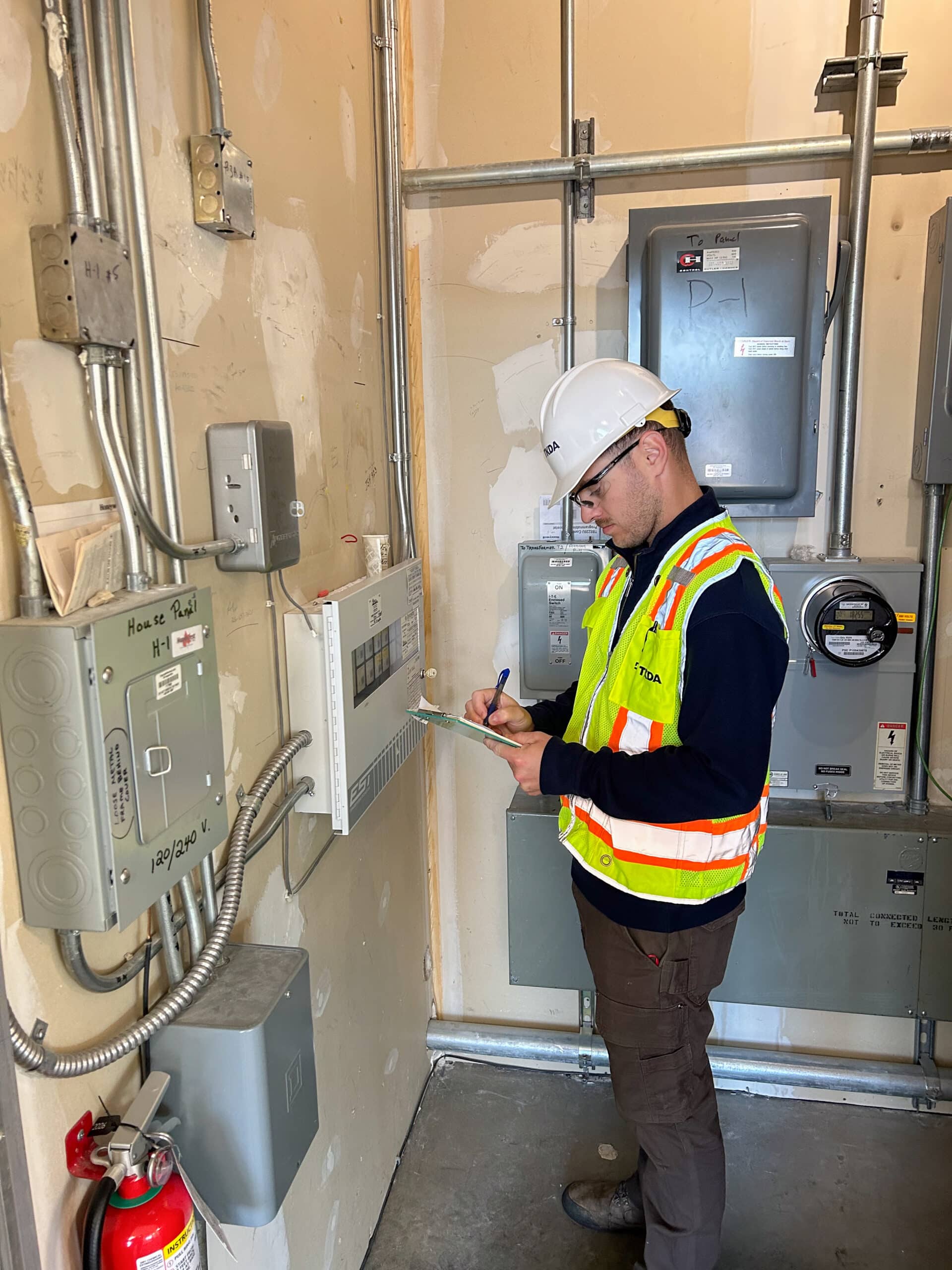
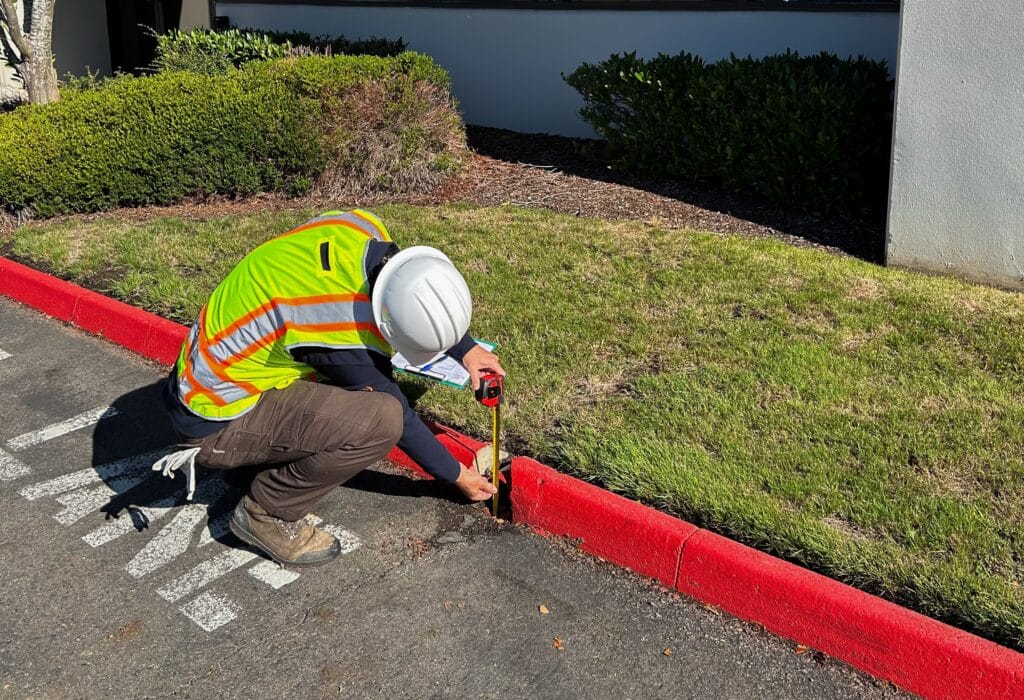
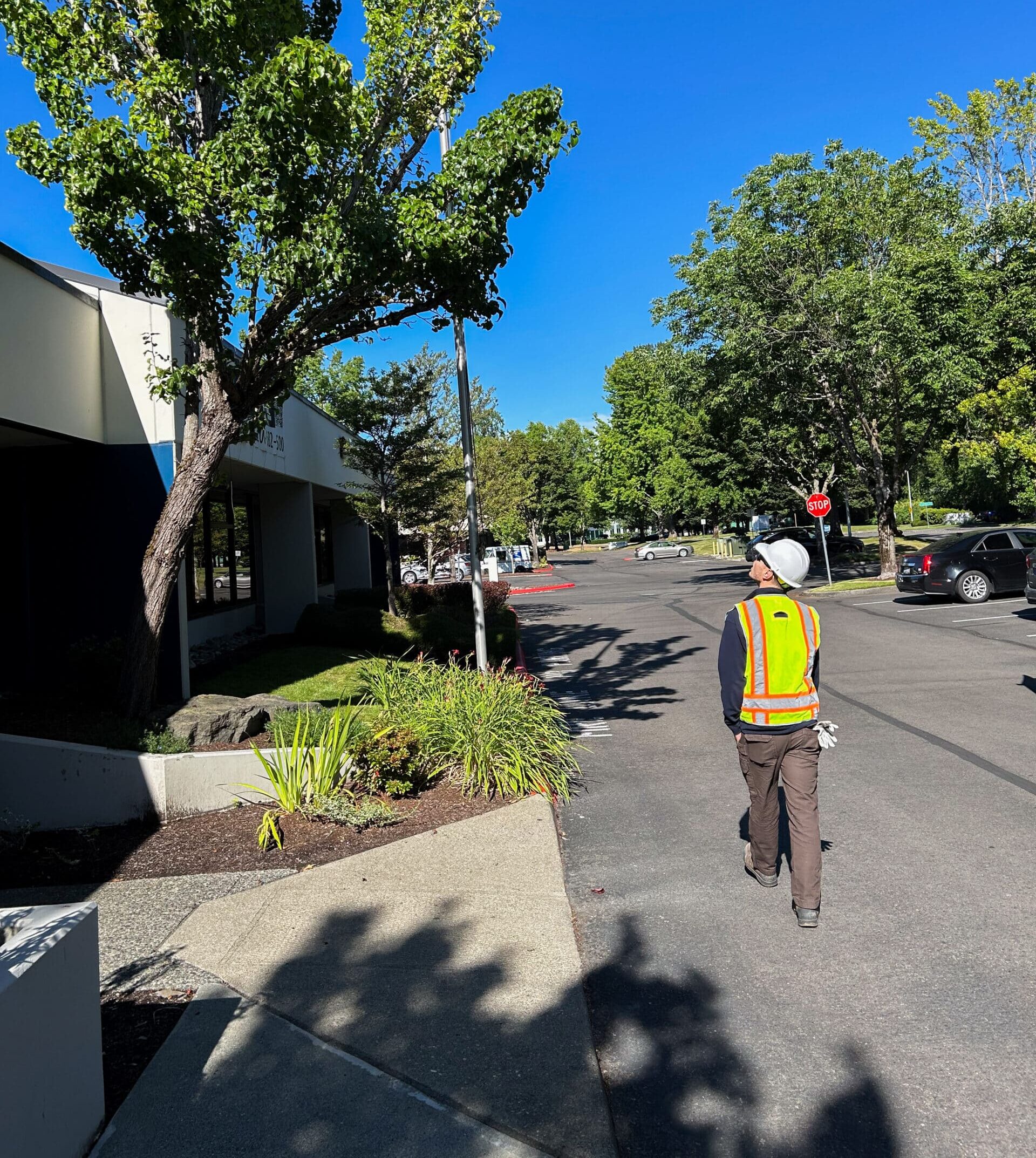
Condition assessments provide the foundation transit agencies need to make informed decisions about their assets. By evaluating facilities and systems, these assessments provide a structured view of what is working, what is nearing the end of its useful life, and where attention is needed most. When tailored to an agency’s priorities, these assessments can be more than just a checklist of what’s working and what’s not, they can be a clear decision-making tool.
Alex Irigoin is a Project Manager at TKDA who works with transit agencies like King County Metro to provide condition assessments and inform their SOGR program. King County Metro serves the Seattle area region and logged over 94 million passenger trips last year alone. With such a vast portfolio of facilities, vehicles, and supporting infrastructure to manage, transit agencies like King County Metro rely on proactive approaches to asset management so they can identify needs before they turn into costly problems.
A regular public transit rider, Alex uses King County Metro to commute to and from work. He brings a personal perspective to his assessments, seeing how well-maintained systems directly support daily service.
Alex says the key to providing effective condition assessments begins with understanding an agency’s needs before ever evaluating a single asset. “We don’t treat condition assessments like a checklist exercise. We take the time to understand the agency’s goals and constraints before we ever start evaluating assets,” he says. “That allows us to tailor the assessment, so it produces actionable, prioritized results rather than generic findings.”
Alex’s approach to tailoring his evaluations turns his assessments into a practical decision-making tool, giving agencies a clear and usable path forward. “We provide a clear picture of what needs attention now versus what can be planned for later,” says Alex. “Our assessments include estimated useful life, cost estimates, and prioritization, which helps agencies make informed State of Good Repair and funding decisions.”
The condition assessments that Alex completes carry forward into SOGR programs, which determine which repairs to advance, how to allocate funding, and how to phase improvements over time. Alex notes that facility assessments require a deep understanding of complex building systems and the disciplines that support them.
“At TKDA, the same personnel who help complete the condition assessments can also support the design and implementation of SOGR improvements,” Alex says. “That consistency means our recommendations are informed by deep knowledge of the facility systems and lead to solutions that can effectively address the agency’s challenges.”
Whether supporting a large system like King County Metro or a smaller transit agency, the goal of a condition assessment remains the same: providing a clear understanding of asset conditions and a practical framework for future investment. With that information in hand, agencies can make more informed decisions about how to maintain reliable service for the communities they serve.
Every successful project starts with a conversation. Tell us about your goals, challenges, and priorities, and we’ll help identify the best path forward.
This website stores cookies on your computer. These cookies are used to collect information about how you interact with our website and allow us to remember you. We use this information in order to improve and customize your browsing experience and for analytics and metrics about our visitors both on this website and other media. To find out more about the cookies we use, see our Privacy Policy.