Panel Highlights: Leadership Lessons from Women at TKDA
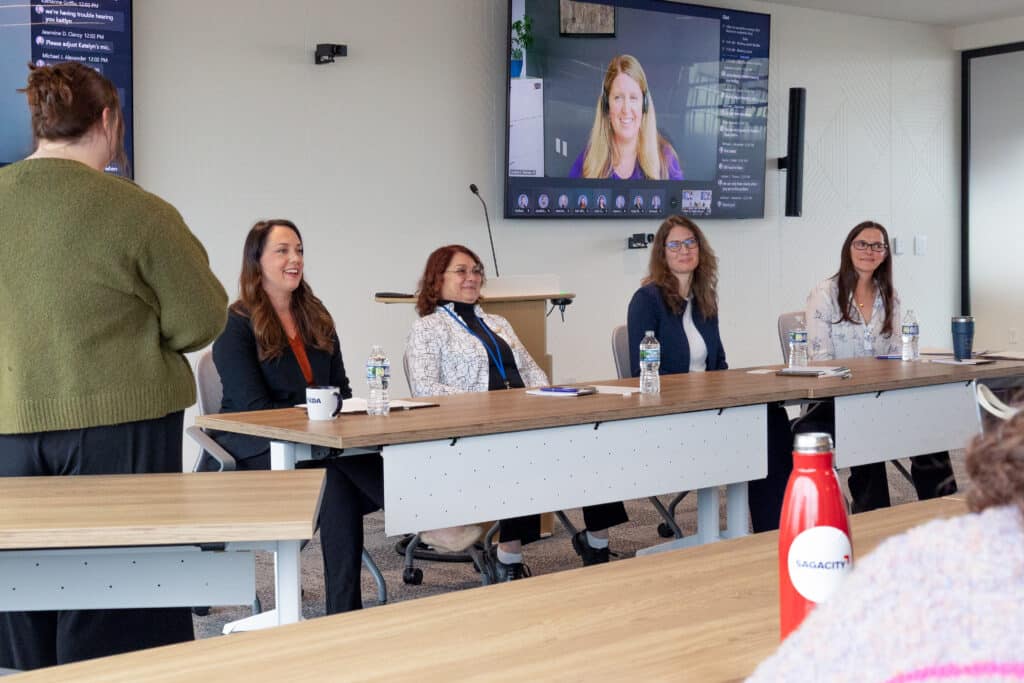
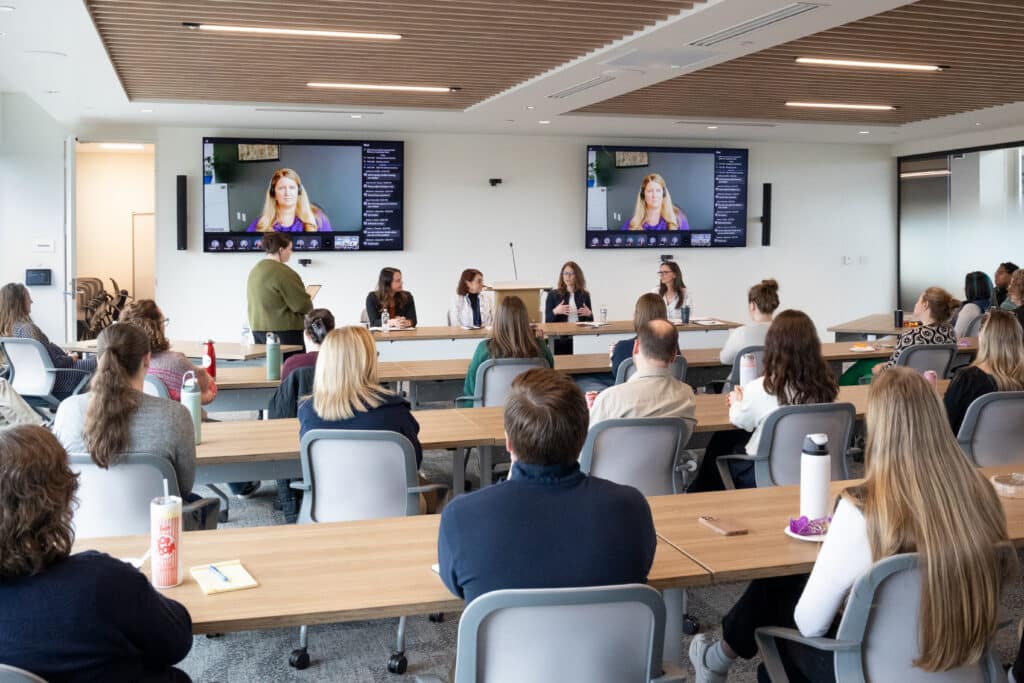
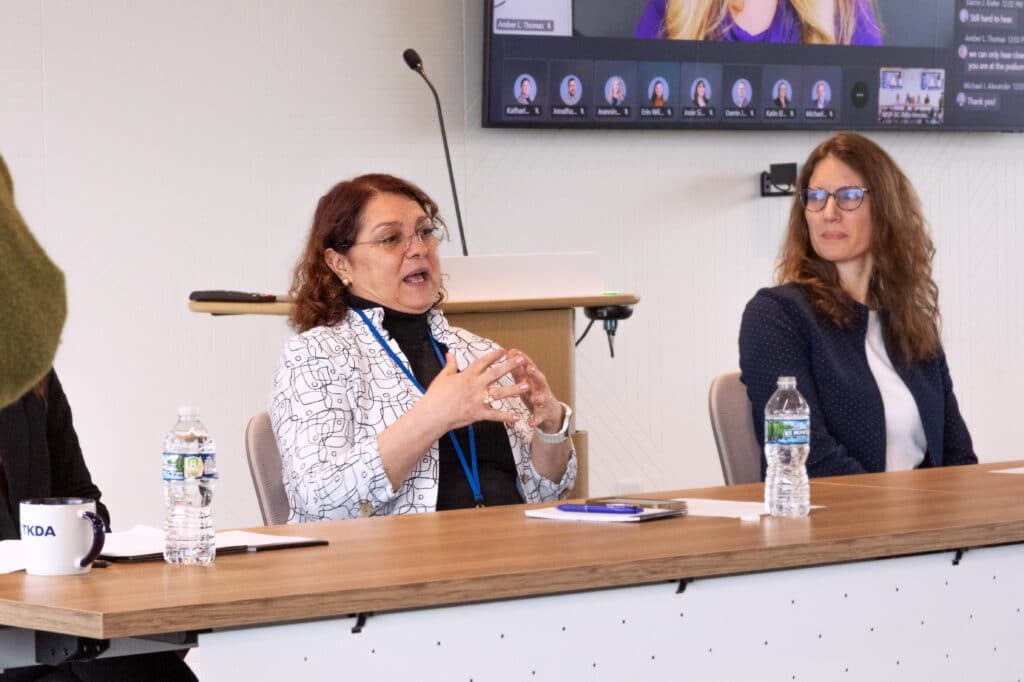
The Women’s Resource Group at TKDA recently hosted a panel discussion to feature the experiences of women who have taken on leadership roles within TKDA. Below, we’ve gathered some highlights of the session, which explored themes of growth, resilience, mentorship, and confidence building.
What is one early career hurdle that you are grateful for?
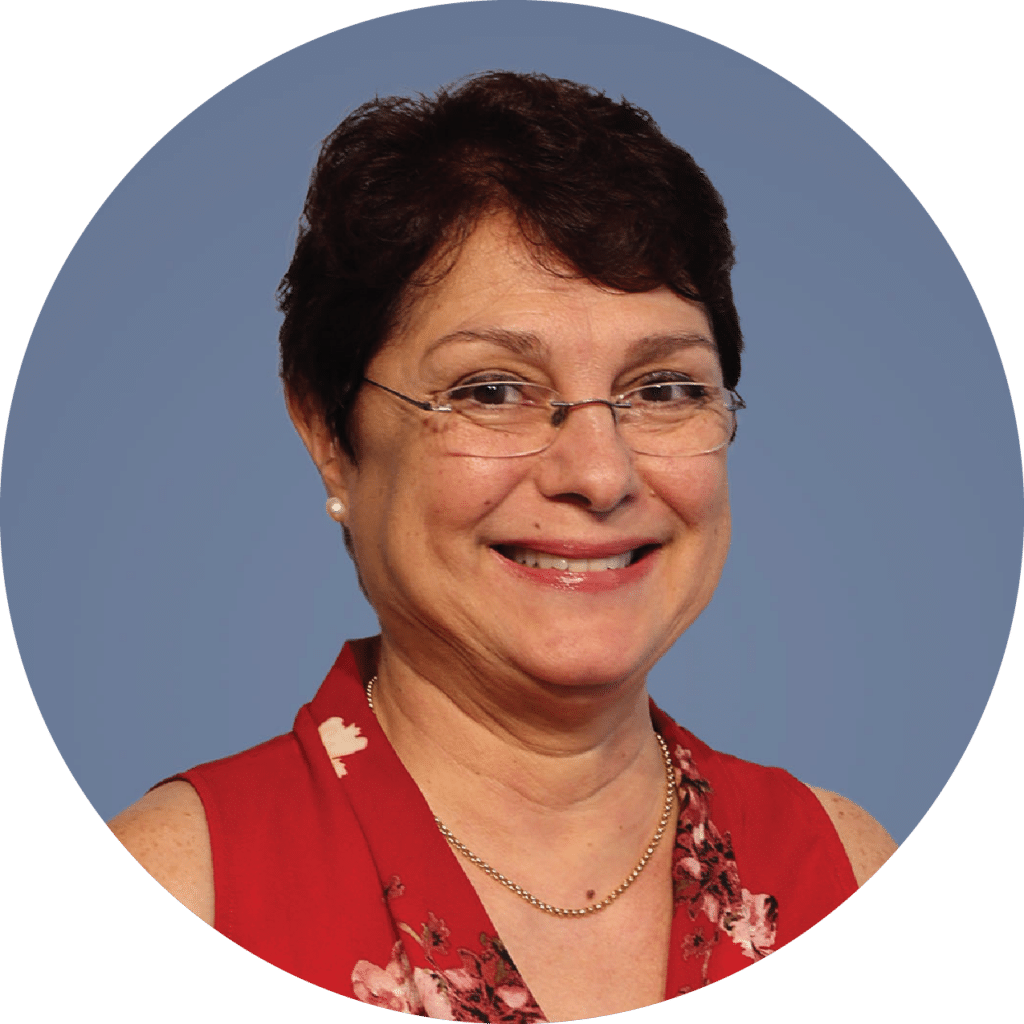
Lucia Anderson, PE*
Assistant Group Manager, Electrical / Lead Engineer
I moved to this country 35 years ago. I was educated in Romania, so I didn’t know the technical language. When I was applying for jobs and told interviewers I was an electrical engineer, it was a little bit like, “really?” Back then, there was limited awareness about the quality of an engineering education outside of the United States and I didn’t have the credentials to back it up. Luckily, I met the right person who told me if I wanted to be taken seriously, I had to get my Professional Engineering (PE) license.
It was a hurdle to get the credits from my school in Romania sent directly to United States to the NCEES Council. After that, I had to take the Engineering in Training (EIT) certification and pass it before I could take the PE exam and get licensed. I wouldn’t be where I am today without getting my PE license, and it is something that I am so grateful that I didn’t give up on. As an assistant group manager, I’m supervising young engineers coming in and I tell everybody all the time, get your EIT, get your PE. I’m glad I did it and I push everybody to do it.
*Licensed in AR, IL, IA, KY, MI, MN, ND, NH, NV, SD, TN, VA, WI
How do you balance work responsibilities with personal life?
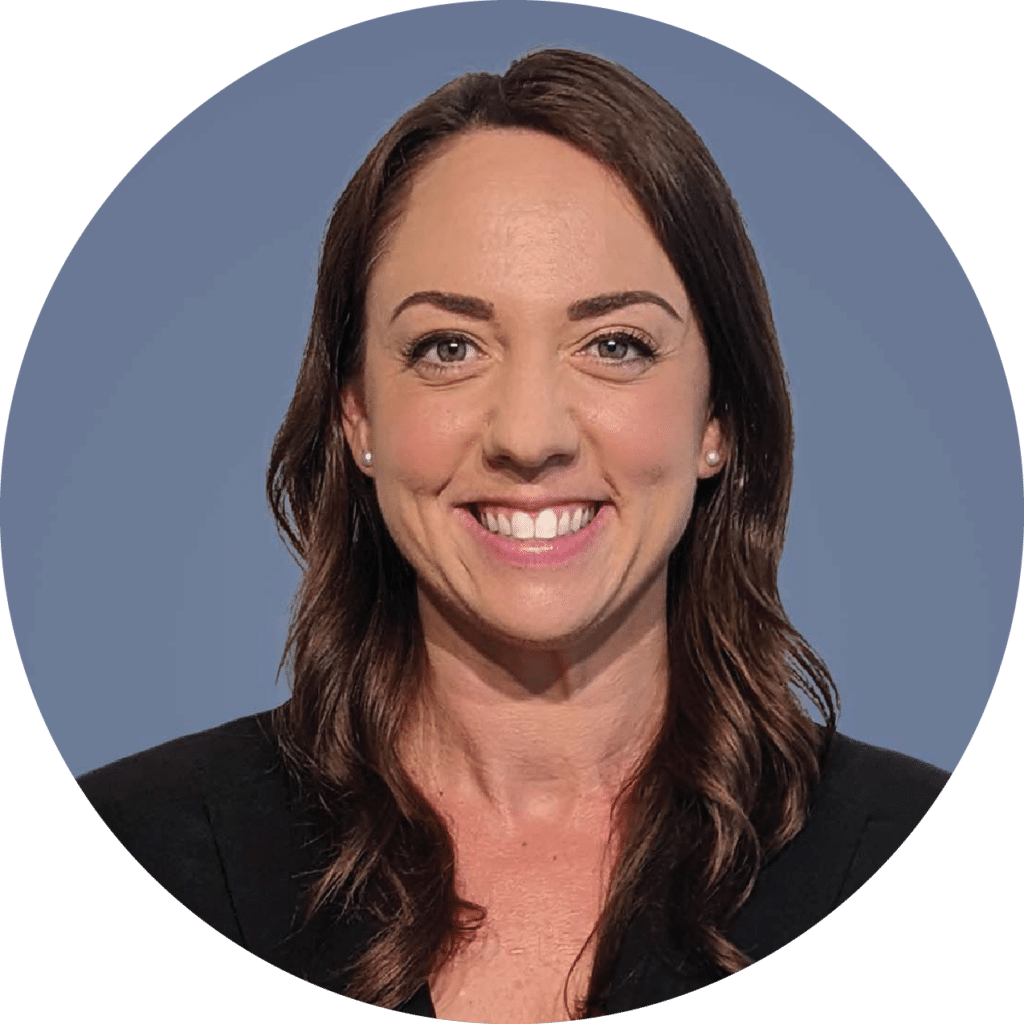
Amanda White, AIA, LEED GA, NCARB
Project Manager
I’ve thought a lot about what balance means to me and considered the word “flexibility” but that was still not really the right word. The word I landed was “agile” which implies the ability to respond quickly and effectively to change, often in a structured or intentional way.
When I think of balance, I think of things being balanced equally 50/50, but between work, personal life, caretaking, or any situation really, it’s hard to get an even 50/50 split. I’m a fairly flexible person but I do like strict routines, and sometimes when routines are broken it can feel like the world is crashing down. So, the biggest thing that I’ve learned when trying to achieve balance, especially over the last couple years, is to be agile and take each day as it comes.
I try to be agile and understand that there is going to be an ebb and flow to balancing work and personal life responsibilities. For example, when there’s more demand at work, I need to be able to ask for help at home and vice versa. My main takeaway is that it’s not really about a perfect separation or a 50/50 split. While some people can achieve that, I’ve found that being agile has made it easier to navigate the changing demands of my work and personal life.
Can you tell us about a mentor who influenced you?
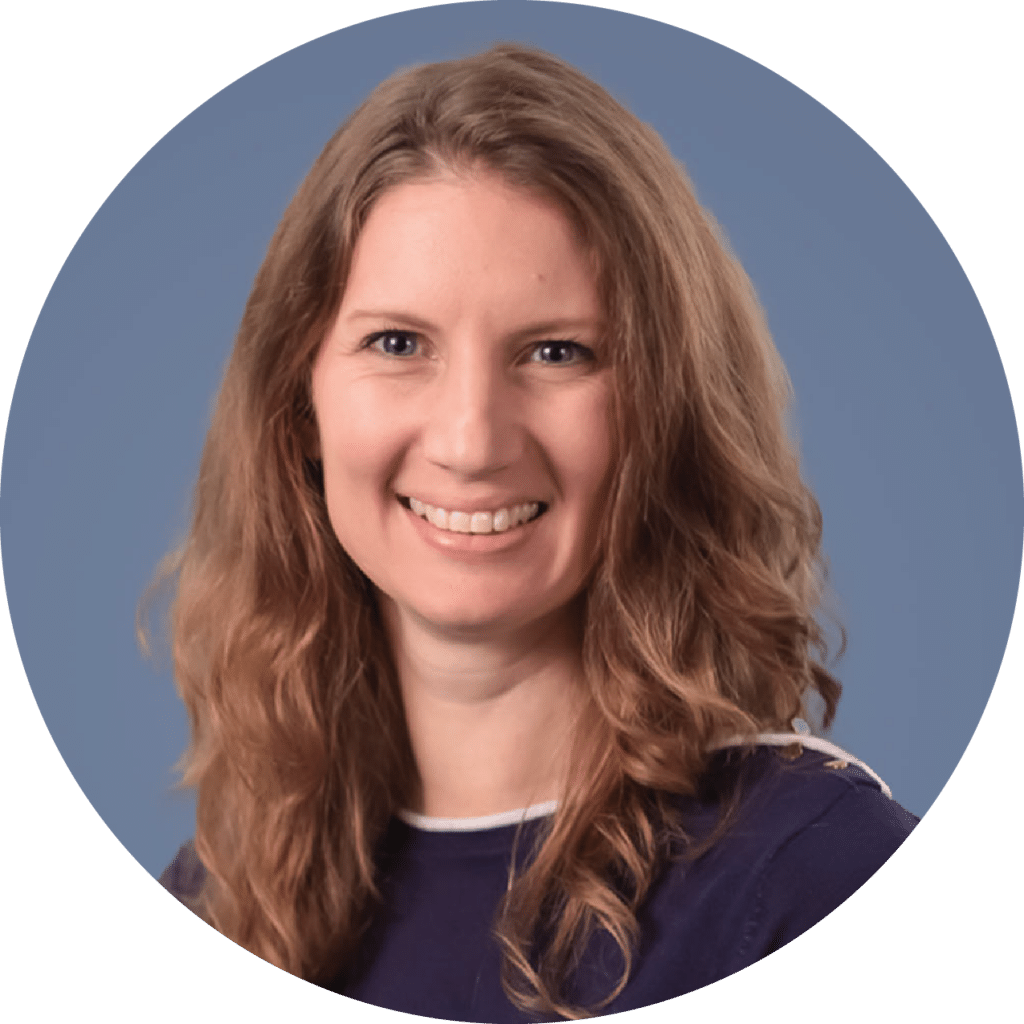
Anka Vela Shannon
Financial Planning & Analysis Manager
To me, a mentor is somebody who wants to pass on as much of their personal knowledge and experience as they can to the next generation. I have been blessed with many mentors, both men and women, including my current manager, Dan Shafer, TKDA’s Chief Financial Officer. Another one of those mentors was Goran, who mentored me early on in my career while I lived in Croatia for a short time. Goran was a self-employed small business consultant and took a chance on me by hiring me right out of school. His specialty was taking his clients’ manufacturing and sales data and plugging it into an Excel model which he built himself.
This model would summarize the data on dashboards with key metrics, so clients could monitor their individual products as well as their total company performance. These clients paid him for this service because they themselves did not have the skills or the education in-house to be able to do it. Goran’s innovation with this tool was instrumental in providing value to his clients.
I try to pass on my learnings from this experience by telling anyone who is struggling with a problem to just begin by putting thoughts and objectives on paper, and don’t be afraid to ask others for advice. Nobody knows everything, therefore being resourceful and finding creative ways to solve problems will bring value to your work and set you apart in your career.
If you could go back in time, what advice would you give your early career professional self?
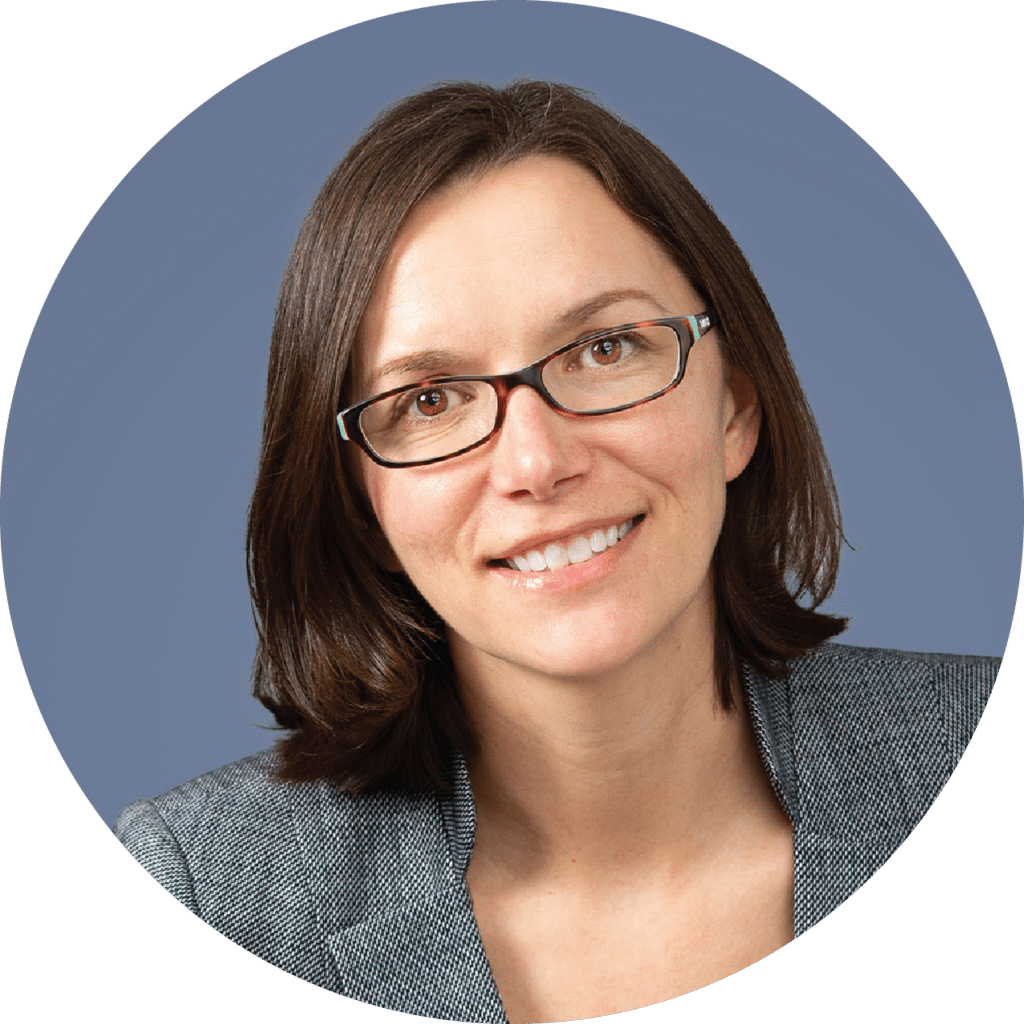
Ruth Christensen, PE*, SE**
Group Manager, Structural
When I joined the structural group at TKDA, I was just a year out of school. I remember sitting with the manager of the structural group at the time, and he told me that ever since its inception, no structural engineer at TKDA had ever failed to pass the PE exam on their first try. He made it clear that there was a legacy of excellence in this very tight knit, high-functioning group.
After that, I remember being pretty reluctant to appear like I wasn’t knowledgeable about something or that I didn’t have the experience. But the truth was, I was only like a year out of school, and I really didn’t always have the knowledge or experience.
If I could go back in time, I would tell myself it’s okay to admit when you don’t know how to do something. Early on in your career, you’re not always expected to know, but you are expected to show up and use your problem-solving skills to figure it out. Every young person who has worked with me has probably heard me say this hundreds of times: they call it “practicing engineering” or “practicing architecture” because we’re never done learning. If you’re doing it right, you’re going to be learning throughout your whole career and always working towards becoming better.
*Licensed in AL, AK, CT, FL, KS, LA, MI, MN, NC, SC, SD, TN, TX, WA, WV, WI
**Licensed in IL
What is something that you have learned in your career experience that changed how you approach leadership and collaboration?
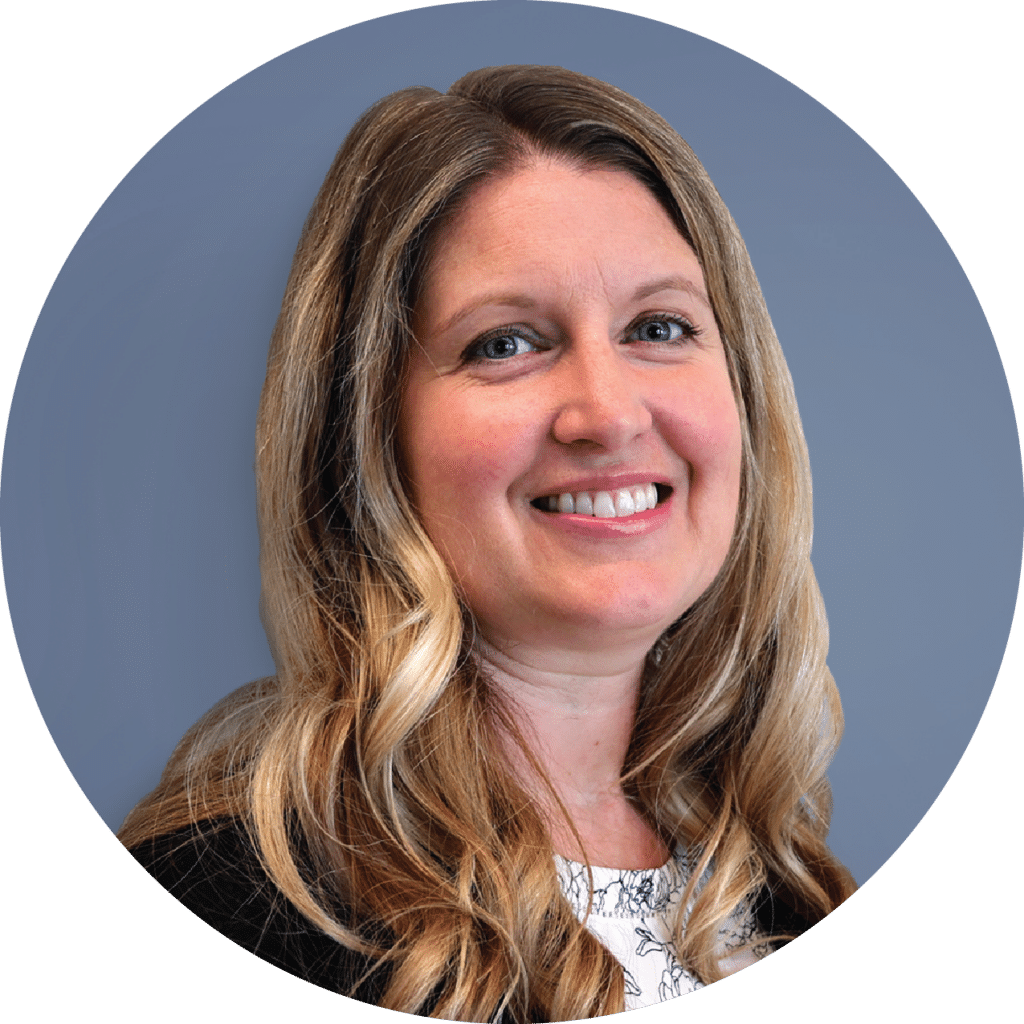
Amber Thomas, PE*
Regional Vice President – Greater Milwaukee
In the long run, I have learned throughout my career to just be myself! I understand we’re all different, we all have different skills, and we all communicate differently. I have seen many women try to communicate or approach jobs with the same leadership or communication style they see their male peer’s use. Most of the time, adopting someone else’s style doesn’t really work. So, it’s important to be yourself, understand your value, your strengths, and your unique insights into problem solving and communicating.
While one leadership style might work great for someone else, it’s important to understand what skills actually work for you in a leadership role and lean into those. There are some leaders who I really admire, but I know that their way of leading is not something that would feel natural or comfortable for me. Staying true to myself has ultimately been what allows me to lead with confidence.
*Licensed in MI, WI